First and Fast care course
First and Fast Care: Why Speed—and Skill—Save Lives In emergency medicine, time isn’t just important—it’s decisive. The difference between recovery and deterioration often comes down to what happens in the first few minutes. That’s the idea behind first and fast care: delivering immediate, focused treatment that stabilizes a patient before complications take hold. But speed alone isn’t enough. Effective early care depends on having a clear structure, the right skills, and increasingly, the right tools. The First Minutes Matter Most When a patient arrives in distress—whether from trauma, infection, or a sudden medical event—clinicians rely on a simple but powerful framework: the ABCDE approach. This step-by-step method prioritizes the most life-threatening problems first: Airway – Is it open and protected? Breathing – Is oxygen getting into the lungs? Circulation – Is blood flowing effectively? Disability – What is the patient’s neurological state? Exposure – What injuries or conditions are visible? This structure cuts through chaos. It ensures that even in high-pressure situations, care is deliberate and lifesaving. From First Aid to First Response Traditionally, early care relied heavily on clinical judgment and basic tools—stethoscopes, blood pressure cuffs, and observation. These are still essential, but modern practice is evolving. Today, frontline providers are expected to make faster, more accurate decisions, often with limited information. That’s where technology is reshaping the landscape. The Rise of Bedside Ultrasound One of the most transformative tools in first and fast care is Point-of-Care Ultrasound (POCUS). Unlike traditional imaging, which may require transport and delays, POCUS brings diagnostics directly to the bedside. Within seconds, a clinician can: Detect internal bleeding Assess heart function Identify lung problems like fluid or collapse Guide procedures such as IV access In trauma cases, for example, the FAST exam allows providers to quickly check for life-threatening internal bleeding—often before a patient ever reaches a radiology department. Speed Meets Precision The real power of first and fast care lies in combining structured assessment with rapid diagnostics. Consider a patient in shock. Without imaging, the cause might be unclear—blood loss, infection, or heart failure. With POCUS, clinicians can narrow it down immediately and tailor treatment on the spot. This blend of speed and precision is especially critical in settings where resources are limited and every decision carries weight. Training for the Real World Effective first and fast care doesn’t happen by accident. It requires: Repeated simulation of emergency scenarios Hands-on skills training Confidence in using tools like ultrasound The ability to stay calm under pressure Courses that integrate clinical assessment with POCUS are becoming essential, not optional. They prepare providers to act decisively when it matters most. A Shift in Mindset At its core, first and fast care is about thinking differently. It’s not just “treat and wait”—it’s assess, act, and adapt in real time. As healthcare systems grow more complex, the need for rapid, competent frontline care is only increasing. Whether in a busy urban hospital or a rural clinic, the principles remain the same: Act early Act quickly Act with purpose Because in those first critical moments, the right care—delivered fast—can change everything.

About This Course
First and Fast Care: Why Speed—and Skill—Save Lives In emergency medicine, time isn’t just important—it’s decisive. The difference between recovery and deterioration often comes down to what happens in the first few minutes. That’s the idea behind first and fast care: delivering immediate, focused treatment that stabilizes a patient before complications take hold. But speed alone isn’t enough. Effective early care depends on having a clear structure, the right skills, and increasingly, the right tools. The First Minutes Matter Most When a patient arrives in distress—whether from trauma, infection, or a sudden medical event—clinicians rely on a simple but powerful framework: the ABCDE approach. This step-by-step method prioritizes the most life-threatening problems first: Airway – Is it open and protected? Breathing – Is oxygen getting into the lungs? Circulation – Is blood flowing effectively? Disability – What is the patient’s neurological state? Exposure – What injuries or conditions are visible? This structure cuts through chaos. It ensures that even in high-pressure situations, care is deliberate and lifesaving. From First Aid to First Response Traditionally, early care relied heavily on clinical judgment and basic tools—stethoscopes, blood pressure cuffs, and observation. These are still essential, but modern practice is evolving. Today, frontline providers are expected to make faster, more accurate decisions, often with limited information. That’s where technology is reshaping the landscape. The Rise of Bedside Ultrasound One of the most transformative tools in first and fast care is Point-of-Care Ultrasound (POCUS). Unlike traditional imaging, which may require transport and delays, POCUS brings diagnostics directly to the bedside. Within seconds, a clinician can: Detect internal bleeding Assess heart function Identify lung problems like fluid or collapse Guide procedures such as IV access In trauma cases, for example, the FAST exam allows providers to quickly check for life-threatening internal bleeding—often before a patient ever reaches a radiology department. Speed Meets Precision The real power of first and fast care lies in combining structured assessment with rapid diagnostics. Consider a patient in shock. Without imaging, the cause might be unclear—blood loss, infection, or heart failure. With POCUS, clinicians can narrow it down immediately and tailor treatment on the spot. This blend of speed and precision is especially critical in settings where resources are limited and every decision carries weight. Training for the Real World Effective first and fast care doesn’t happen by accident. It requires: Repeated simulation of emergency scenarios Hands-on skills training Confidence in using tools like ultrasound The ability to stay calm under pressure Courses that integrate clinical assessment with POCUS are becoming essential, not optional. They prepare providers to act decisively when it matters most. A Shift in Mindset At its core, first and fast care is about thinking differently. It’s not just “treat and wait”—it’s assess, act, and adapt in real time. As healthcare systems grow more complex, the need for rapid, competent frontline care is only increasing. Whether in a busy urban hospital or a rural clinic, the principles remain the same: Act early Act quickly Act with purpose Because in those first critical moments, the right care—delivered fast—can change everything.
What You'll Learn
Who Should Attend
Enroll in This Course
Fill the form below to reserve your spot
Need more information?
Contact usRelated Courses
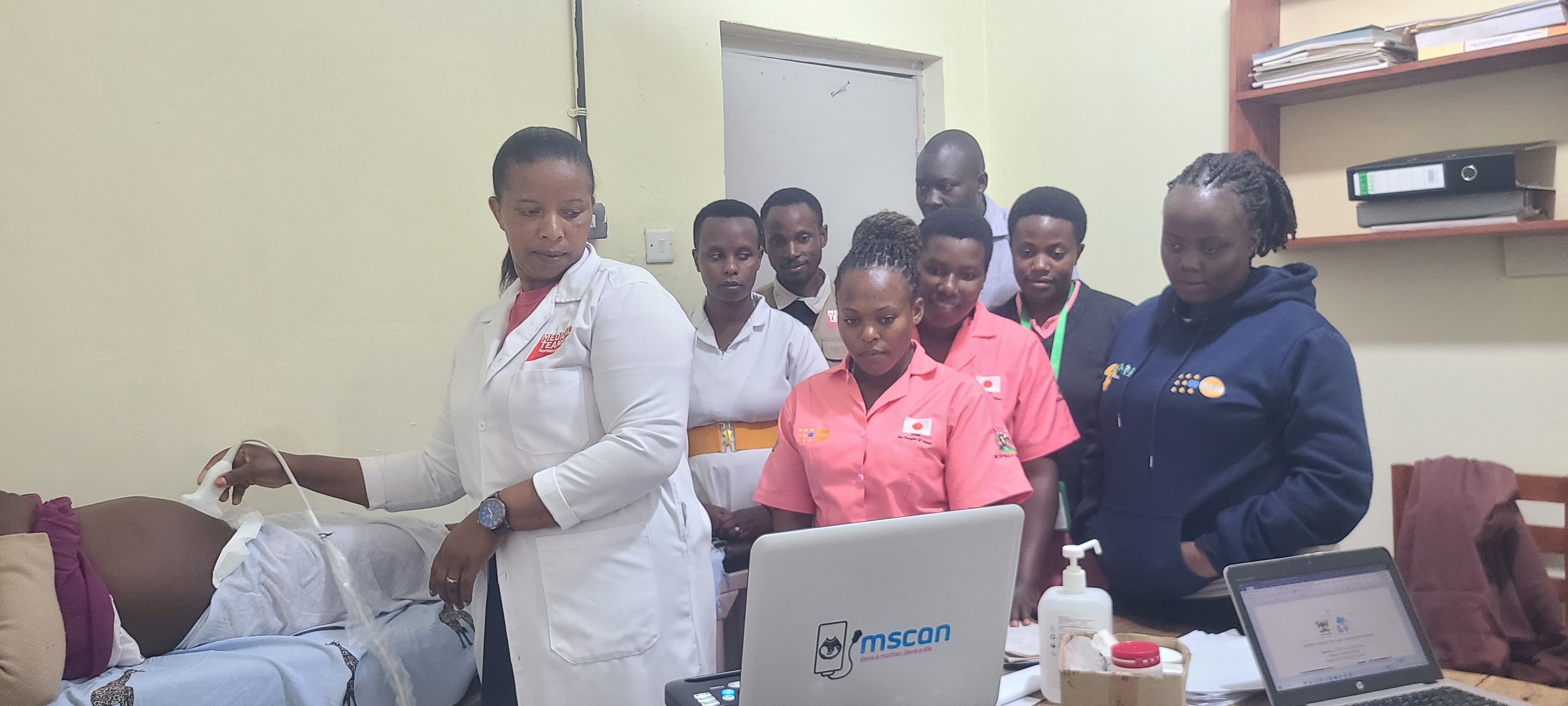
PULSE Project (Point of Care Ultrasound for low resource settings)
Hands-on bedside ultrasound training across a number of specialized modules: Obs...
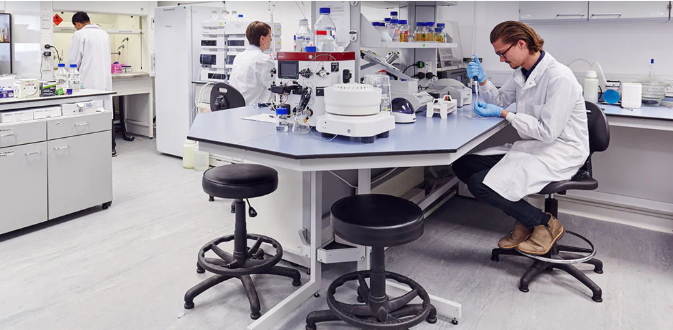
Lab Management
A short course in laboratory management focuses on the essential skills needed t...